About Us
Founder Story
↗
Founder Story / 01
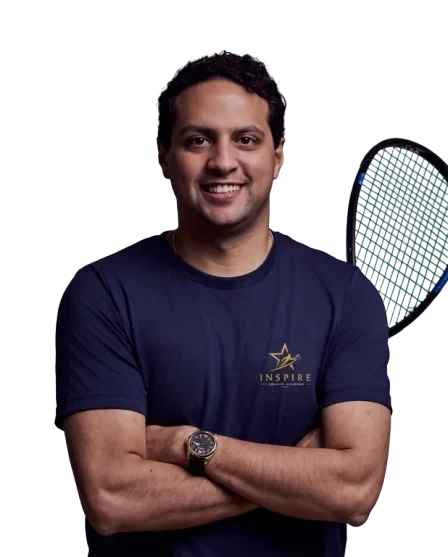
Interview with Karim Ibrahim
Karim Ibrahim is the founder and director of Inspire Squash Academy (ISA) and the former Director of Junior National Teams and Head Junior Coach at US Squash and team USA. A former Egyptian national team player and 2013 US Junior Open Champion, he went on to captain St. Lawrence University as a two-time First Team All-American, and serves as a US Department of State Sports Diplomacy Ambassador.
Founder Story / 02
Where it started
When did you start playing squash?
I picked up a racket when I was 5 years old at Al Ahly Club in Cairo, Egypt. Squash was everywhere around me growing up in an Egyptian squash family, so it never felt like choosing a sport. It felt like joining a conversation that was already happening. I was hooked the first time I hit a ball that actually died in the back corner.
What made you fall in love with the game?
The moment I stepped foot with my dad and younger brother, Youssef, to watch Ahmed Barada compete at the pyramids. To this day, I will never forget that feeling of awe. It’s honest. There’s nowhere to hide on a squash court.
Who were your biggest influences as a junior?
Amr Shabana and Karim Darwish were huge role models for me. Watching the great Egyptian players of that era taught me what was possible, and the people around me taught me how much work sat behind it.
Winning the US Junior Open in 2013 — what do you remember most?
What made it even more special was that my brother and I won the U17 and U15 categories respectively. I remember feeling that all the unglamorous sessions, the ghosting and the solo drills, had finally paid off. It gave me belief that carried me through St. George’s and into college squash.
What did playing college squash at St. Lawrence teach you?
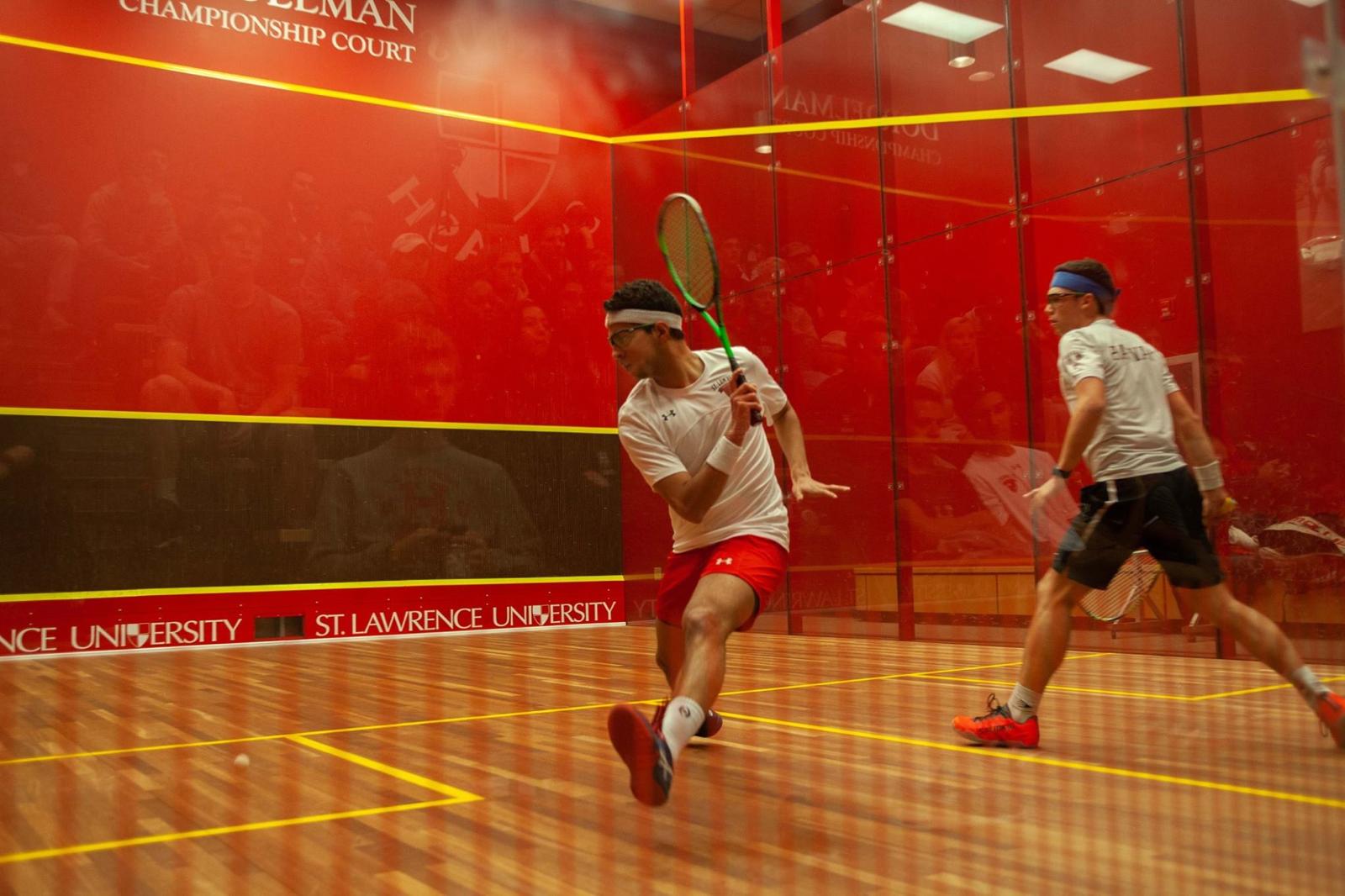
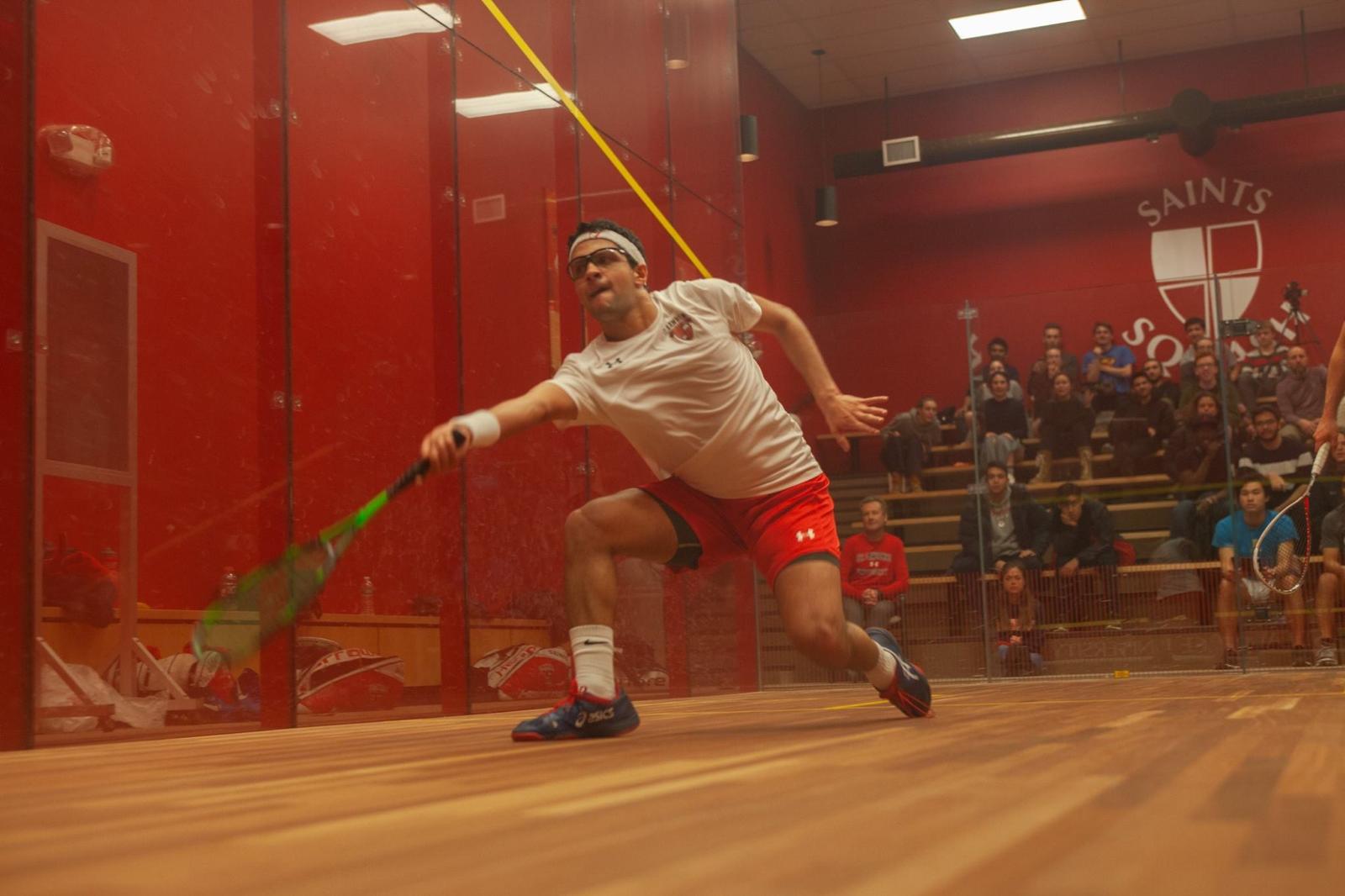
Captaining the team for two years taught me more about leadership than anything else I’ve done. In college squash you play for nine people, not one. You learn that your attitude on court 9 matters as much as the result on court 1. That shaped how I coach teams today.

Founder Story / 03
Egyptian vs. American squash
You’ve played for Egypt and led US junior teams. What’s the biggest difference between Egyptian and American squash?
The biggest difference is the environment. In Egypt, squash is a mainstream sport. Kids grow up in clubs surrounded by world-class players, they play huge volumes of matches against each other, and they learn by imitation and competition. Creativity and attacking flair come naturally because that’s what everyone around them is doing.
American juniors tend to be more structured, very disciplined and well-coached on fundamentals, and the college pathway gives them a clear goal. What they often lack is the sheer number of hard matches against strong peers that Egyptian kids get every week.
Is there a difference in playing style?
Egyptian players tend to attack earlier from a great length, use deception and play with a lot of touch at the front of the court. American players are often more patient, building rallies through length and consistency. The best players today combine both: the discipline to build a rally and the creativity to finish it.
What can each side learn from the other?
American squash can learn to give juniors more freedom to experiment and more competitive volume, and learn to train in a specific way that will help your squash performance. Egyptian squash can learn from the American model of education and long-term balance, using the sport to open doors beyond the court. My goal as a coach is to bring the best of both worlds to every player I work with.
Founder Story / 04
Coaching Team USA
What is your favorite memory from coaching Team USA?
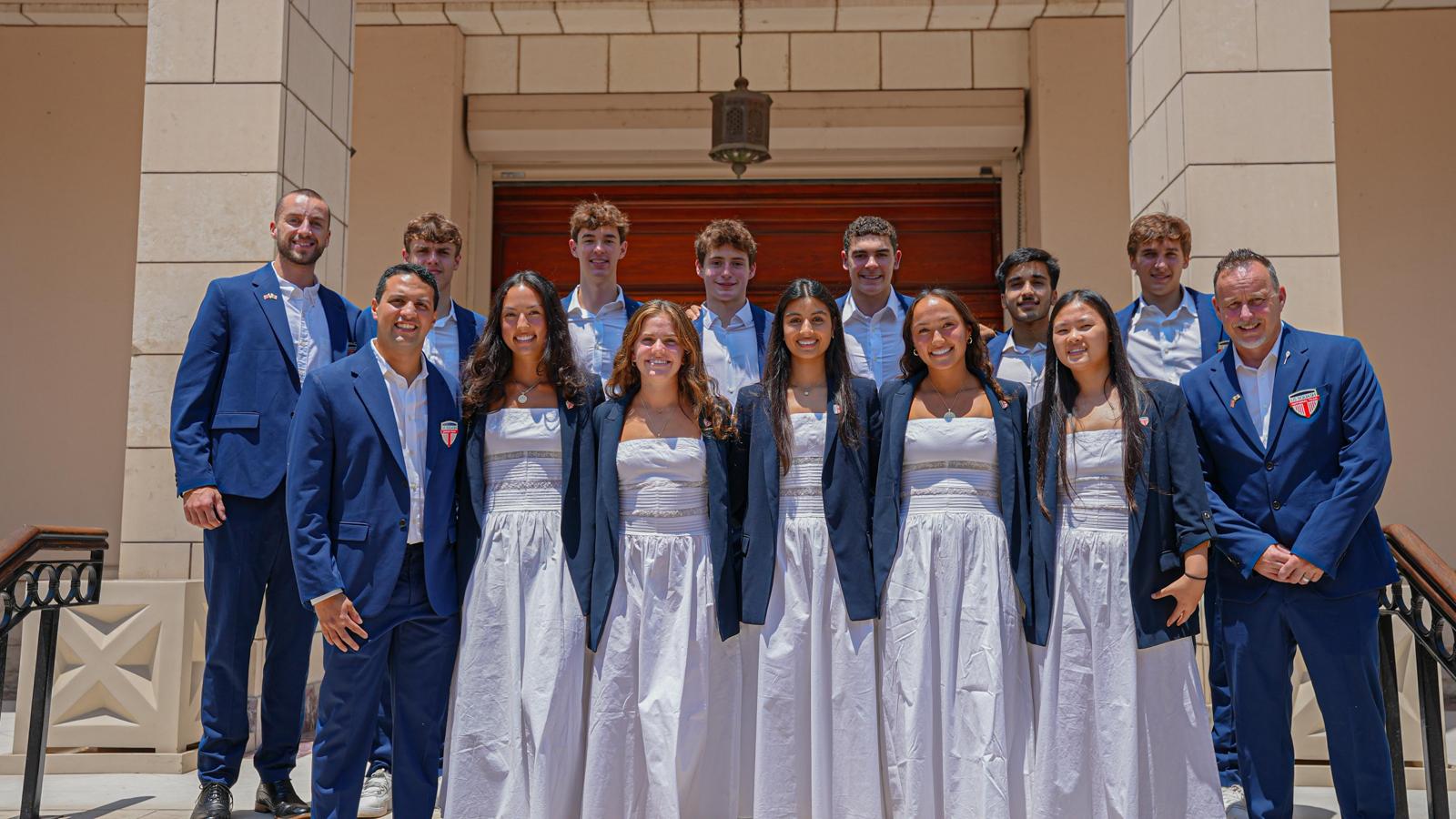
It is really hard to pick one. My favorite memories are always aligned with making history. Winning double gold for the team events (men and women) at the 2025 Pan American Squash Championships in Brazil and finishing the matches at 1:45 AM. Another great memory was leading the US junior U19 team into the first ever teams final at the 2025 World Junior Squash Championships hosted in Egypt. That felt special.
What did you learn about American juniors in that role?
That the talent is there. American juniors are hungry, smart and coachable. The gap with the top squash nations is shrinking, and with squash coming to the LA28 Olympics, this generation has a real opportunity to change what American squash looks like.
Founder Story / 05
How I approach coaching
How do you approach coaching?
I start with the person, not the player. Before I change anyone’s swing, I want to know what drives them, how they learn and what they want from the sport. Then I build around a few principles:
- Fundamentals first. Movement, length and a repeatable swing are the foundation everything else stands on.
- Train to compete. Drills matter, but players improve fastest under match pressure, so we make practice feel like competition.
- Long-term development. I’m not coaching for the next tournament. I’m coaching for who the player will be in five years, on and off the court.
What do you tell parents of young players?
Be patient and keep it fun. The kids who last in this sport are the ones who love it, and the results follow the love, not the other way around.

Founder Story / 06
Inspire Squash Academy
Why did you start Inspire Squash Academy?
I wanted to build something that combines everything I’ve learned — from Egyptian clubs and Team USA to college guidance — into one place. ISA is about developing complete players: technically strong, mentally tough, and prepared for college squash and life after it.
We are building a community built on excellence, leadership and commitment.
Any final advice for young players?
Fall in love with the work nobody sees. Ghosting alone, solo drills, early mornings. That’s where players are made.
Contact Us
Your next level
starts here
From first-time players to tournament athletes, we build the skills, confidence and discipline to help you perform on and off the court.
Start TrainingFollow the academy
Latest on Instagram
Loading Instagram posts…